
Home » Homebuyers Survey » Oakfield HomeBuyer – Level 2 Survey
Level 2 Homebuyers Survey
At Oakfield Surveyors define a Level 2 Homebuyers Survey as a visual, non-intrusive inspection for conventional houses and flats in reasonable condition. It provides condition ratings, flags urgent defects and maintenance risks, and comments on apparent damp, timber decay and movement. It is not a mortgage valuation, and we do not move furniture, lift floorboards, open up cavities or test electrics, gas or drains. We give you proportionate due diligence with clear limits.
Our team judge whether Level 2 suits your property and lender. We recommend Level 3 for pre-1919 buildings, thatched or timber-framed homes, complex extensions or visible structural distress. We provide exact checklists, a blunt Level 1, 2 and 3 comparison, transparent price bands with size, age and location as drivers, and a click-by-click booking path. We help you avoid overbuying and avoid false economy.
What Is a Level 2 Homebuyers Survey?
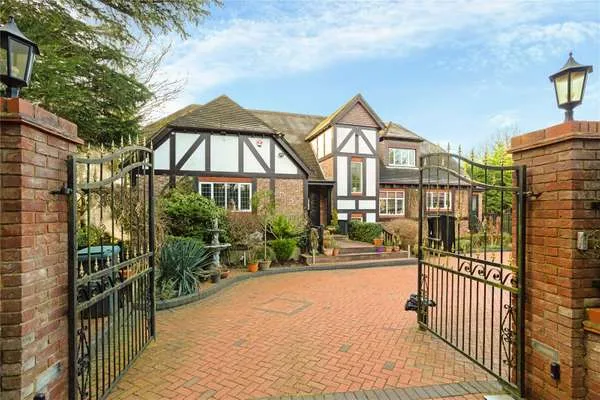
Understanding the Level 2 Homebuyers Survey is essential for making informed property purchase decisions. it’s a mid-level RICS survey that provides a visual, non-intrusive property inspection with condition ratings, highlighting defects, risks and recommended next steps. The purpose is to help buyers of conventional homes judge condition, plan repairs and, where appropriate, renegotiate before exchange.
RICS recognises three home survey levels, with this option sitting between a basic condition report and a full building survey. It suits standard, relatively modern properties that appear in reasonable condition, such as post‑1930s houses, flats and bungalows without complex alterations. Older, heavily extended or visibly compromised buildings usually need the more detailed Level 3.
We at Oakfield Surveyors deliver this survey in line with the RICS Home Survey Standard, using clear red‑amber‑green ratings to flag issues. It isn’t a mortgage valuation and it doesn’t test services like electrics, gas or drains, nor does it move furniture, lift flooring or open up walls. Beyond this, a market valuation can be added if you request it, but it’s separate from your lender’s valuation.
| Aspect | Level 1 | Level 2 | Level 3 |
|---|---|---|---|
| Inspection scope | Brief visual overview | Systematic visual inspection with condition ratings | Comprehensive inspection, more detail on causes and remedies |
| Suitable properties | Newer, conventional, clearly in good order | Conventional homes, no major alterations or complexity | Older, altered, large or clearly defective buildings |
| Service testing | No testing | No testing, advisory only | No testing, more detailed advice on investigations |
| Invasive checks | No | No | No, but more accessible areas examined and reported in depth |
| Typical outputs | Summary of condition | Condition ratings, defects, risks, repair advice | Defect analysis, likely causes, repair options and priorities |
| Valuation included | Optional | Optional | Optional |
Our clients often ask whether a lender’s valuation makes this redundant. It doesn’t. A lender’s check is for the bank’s risk, while a Level 2 focuses on your risk, giving you actionable detail on condition.
What Does a Level 2 Homebuyers Survey Cover?
A Level 2 Homebuyers Survey is a visual, non-intrusive inspection of main building elements, services and grounds that provides condition ratings, visible defects and repair advice; it does not include testing, opening up structures, or detailed structural calculations.
Based on the RICS Home Survey Standard (effective 2021), it focuses on the overall condition and likely maintenance needs of a conventional property. Our chartered surveyors assess accessible areas and give clear ratings to help prioritise issues and plan costs.
Inspection scope and survey coverage
- Exterior fabric: Brickwork, render, cladding, chimneys and external joinery assessed for cracking, spalling, damp staining and weathering.
- Roof coverings and structure: Pitched and flat roofs inspected from ground or accessible vantage points; roof voids checked if a safe, fixed hatch and boarding exist.
- Windows and doors: Condition, glazing type and operation reviewed, noting decay, failed seals and inadequate ventilation.
- Internal elements: Walls, ceilings, floors and joinery inspected for movement, unevenness, moisture staining and signs of timber decay.
- Services overview: Heating, electrics, gas and plumbing observed in operation where possible, not tested; recommendations made for specialist testing where concerns arise.
- Moisture readings: Targeted moisture‑meter readings taken on suspect areas to indicate rising or penetrating damp.
- Grounds and outbuildings: Paths, driveways, retaining walls and typical outbuildings reviewed for condition and trip hazards.
- Drainage indicators: Manhole covers lifted if readily accessible and safe, with visual checks for blockages or defects.
- Environmental and legal flags: Apparent risks such as suspected asbestos-containing materials, Japanese knotweed or boundary anomalies are highlighted for further enquiry.
- Advice and ratings: Each element receives a RICS condition rating with repair priority and recommended next steps.
Limitations and exclusions
- No moving furniture, lifting carpets or floorboards, or removing panels; inspection is visual only.
- No invasive damp, timber or structural investigations; no opening of cavities or trial holes.
- No testing of services; electrical, gas and drain tests require qualified specialists.
- No detailed structural design or calculations; suspected structural defects are referred to a structural engineer.
- Valuation optional: A market valuation can be included by a RICS Registered Valuer; this is not the same as a lender’s mortgage survey.
| Feature | Level 1 | Level 2 | Level 3 (Building Survey) |
|---|---|---|---|
| Depth of inspection | Overview | Intermediate, visual | Comprehensive, more access where safe |
| Defect analysis | High-level | Defects with repair advice | Detailed cause, remedial options and risks |
| Services | Observation only | Observation only | Observation, with more detailed commentary |
Worried a 1900s terrace with past alterations might hide structural movement? Choose Level 3, which offers deeper commentary and more intrusive access where safe. If you’d like a survey sample or to add a valuation, we can provide both and advise on the right level.
The Oakfield RICS Level 2 Home Survey Report
Condition rating 3 – Red
The property has defects which require urgent attention, some of which may be serious. Repairs will be needed as a matter of priority. Health and safety issues which could present a risk to life will also be awarded a Red rating.
Condition rating 2 – Amber
The property has defects but they are not serious and will not require urgent action. Repairs can be undertaken with regular maintenance of the building.
Condition rating 1 – Green
No defects or issues have been identified at the property.
Looking for a Homebuyers Survey?
We are one of the leading Chartered Surveyors covering London, Buckinghamshire and Oxfordshire and regulated by the Royal Institution of Chartered Surveyors (RICS).
Our team is dedicated to providing the highest quality building surveys.
Contact us to discuss your requirements further.
Level 2 Homebuyers Survey vs Other Survey Types
| Aspect | RICS Level 1 Survey (Condition Report) | RICS Level 2 Home Survey | RICS Level 3 Building Survey |
|---|---|---|---|
| Purpose | High-level condition snapshot | Detailed condition survey with advice | Full building survey for complex risk |
| Typical property | New-builds and modern flats | Conventional houses and flats in reasonable order | Older, altered, or poor-condition homes |
| Inspection scope | Visual, limited | Visual, internal and external, roof spaces if safe | Visual in greater depth, more elements covered |
| Invasiveness | Non-invasive | Non-invasive, no furniture moved | Non-invasive, still no opening up |
| Services testing | No testing | No testing, recommends specialist checks | No testing, stronger emphasis on further investigations |
| Valuation option | Not included | Optional property valuation | Optional property valuation |
| Mortgage valuation? | No, separate lender valuation | No, separate lender valuation | No, separate lender valuation |
| Survey format | Traffic-light summary | Traffic-light with narrative and photos | Narrative, element-by-element detail |
| Typical length | 10–15 pages | 25–40 pages | 40–80 pages |
| Turnaround | ~2–3 working days | ~3–5 working days | ~5–7 working days |
Choosing between survey types
- Choose Level 2 rather than Level 3 if the property looks conventional and well maintained and you want a balance of cost and detail without intrusive work.
- Choose Level 3 for pre-1900, timber-framed, significantly extended buildings, visible movement or damp, or if you plan major renovations.
- Choose Level 1 only for very new, straightforward properties when you mainly want a concise property condition survey.
Our surveyors work to the RICS Home Survey Standard, and every survey is produced by a RICS-registered professional. A mortgage survey from your lender is a valuation for loan security, not a condition survey, so it does not replace a RICS Level 2 Home Survey. To confirm which option suits your property and a fixed fee, send us the listing and plans; we will usually reply the same working day. We can share a sample survey on request and move quickly to booking.


How Much Does a Level 2 Homebuyers Survey Cost?
Understanding the cost of a Level 2 Homebuyers Survey helps you budget effectively for your property purchase. Typical fees in 2026 are £420 to £650 in Buckinghamshire and £500 to £800 in London for standard flats and houses. Prices rise with size, complexity and travel, and optional valuation adds £120 to £200.
| Region | 1-bed flat | 3-bed house | Larger/complex homes |
|---|---|---|---|
| Buckinghamshire | £420–£520 inc VAT | £520–£650 inc VAT | £650–£800+ inc VAT |
| London | £500–£650 inc VAT | £650–£800 inc VAT | £800–£950+ inc VAT |
In plain terms, property survey price varies with three main drivers: size, location and complexity. Worth noting: larger floor areas take longer to inspect and report on, London work attracts higher travel and time costs, and non-standard construction or extensive alterations increase the depth of checks needed within the RICS Level 2 scope. That’s the core of Level 2 survey cost.
Our pricing reflects the RICS HomeBuyer level of inspection, which is a visual, non-invasive property condition report. It doesn’t test electrics, gas or drains and it isn’t a mortgage survey or a property valuation unless you ask us to include a valuation. For most conventional homes built after 1900 with no major structural defects visible at viewing, Level 2 offers strong value because it prioritises the issues most likely to affect negotiations and immediate maintenance.
Value for money improves when the scope matches the property. That aside, a 1930s semi in Aylesbury with standard extensions typically suits Level 2, keeping costs around £580 to £640. Yet a Victorian terrace in High Wycombe with a dormer loft conversion and suspected damp may be better served by a Level 3 building survey, which costs more but reduces the risk of unknowns before exchange. The key: choose the level that fits the age, alterations and risk profile.
We publish fixed-fee bands upfront and confirm the fee before booking, so there are no surprises. If you’d like a survey report sample or to add a valuation, ask when you enquire.
Common Issues Identified in Level 2 Homebuyers Surveys
A Level 2 Homebuyers Survey can reveal hidden faults that could cost thousands. Typical findings include damp and condensation, slipped tiles, flat-roof wear, defective gutters, timber decay, woodworm, movement cracks, failed window seals and visible leaks, identified by a visual, non-invasive inspection under the RICS Home Survey Standard.
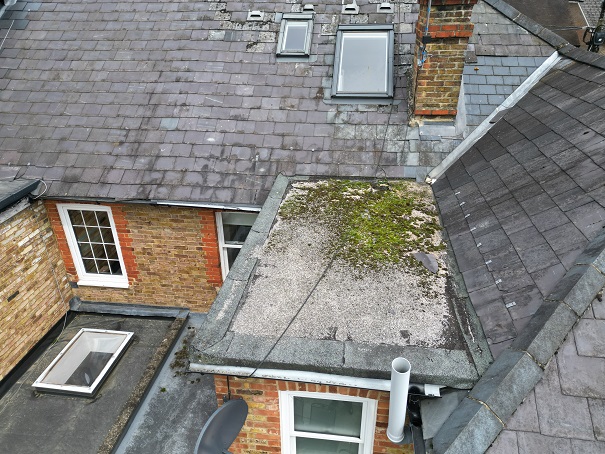
On houses and flats we commonly note age-related wear and moisture: penetrating damp around chimneys and parapets, missing flashings, blocked or undersized rainwater goods, and localised flat-roof defects. In lofts we often record inadequate insulation depth, poor ventilation, water staining to timbers and undersized or altered members requiring a carpenter’s review.
Internally, typical issues include staining beneath bathrooms, failed mastic in wet areas, uneven floors from historic settlement, minor plaster cracks, and misted double-glazed units from failed seals. Services are observed only: we may note older consumer units, dated boilers or exposed pipework, but a Level 2 does not test electrics, gas or drains — and that distinction matters.
Value-affecting findings include roof coverings at end-of-life, widespread damp with possible timber decay, suspected non-compliant alterations, or movement beyond simple shrinkage. Lenders may require specialist reports or retain funds until remedial work is done, consistent with mortgage survey underwriter risk management. When multiple medium-risk issues appear in pre-1960 or heavily altered properties, we usually recommend upgrading to a Level 3 building survey for deeper inspection of accessible areas.
What this can mean for your purchase
- Revisit your offer to reflect clear, costed repairs, e.g., roof renewal or damp treatment quoted by specialists.
- Make completion conditional on works, or agree a retention with lender and seller.
- Commission targeted follow-ups: roofer, damp and timber specialist, Gas Safe engineer, electrician, or drainage CCTV.
- Ask your conveyancer for approvals and warranties for alterations, including lintels, wall removals and roof foam.
- Walk away if risk or uncertainty is high, especially where access limits apply at Level 2.
Have a question about a defect in your report? We can explain risk ratings and next steps, and advise whether deeper inspection is warranted.
How Long Does a Level 2 Homebuyers Survey Take?
Knowing how long your Level 2 Homebuyers Survey takes helps you plan your property purchase timeline. On-site inspection typically takes 2 to 3 hours for an average three-bedroom house, and 60 to 120 minutes for most flats. We usually issue the written report within 2 working days of inspection, with faster survey turnaround available when our schedule allows.
For most standard homes, survey duration on site reflects size, age and layout. A 1930s semi with a loft conversion can take closer to 3 hours because roof spaces, outbuildings and external elements require careful visual checks. Small new-build apartments are quicker. There’s no moving furniture, lifting floors or opening walls, which keeps timing predictable and aligns with the RICS Home Survey Standard.
After inspection, we compile a clear property condition report with photographs and condition ratings. Our RICS-registered surveyors cross-check findings before release, so you get a concise, decision-ready document rather than rushed notes. Typical homebuyer report timing is 1 to 2 working days, and we’ll let you know the target issue date as soon as we book you in. This report isn’t a mortgage valuation, and lenders may still commission their own brief valuation visit.
What can affect timing
- Access and keys: delayed keys or alarm codes can add 30 to 60 minutes.
- Complexity: extensions, older roofs or suspected structural defects need extra notes and photos.
- Leasehold packs: if you ask us to comment on maintenance or service areas, reviewing documents can extend delivery by a day.
- Weather and light: heavy rain or fading light can limit roof and elevation views, sometimes requiring a short revisit.
- Seasonal demand: late spring and autumn are busier, so diary availability can influence survey turnaround.
Need to align with a mortgage offer expiry? The key distinction: tell us your deadline and we’ll schedule accordingly and confirm the expected delivery date in writing. Book online or by phone, we’ll arrange access with the agent, attend as agreed, then deliver your RICS HomeBuyer-style report promptly.
When to choose a Homebuyer report
A Homebuyer report is a good option for modern properties; in general, meaning properties built in the last 50 years. If you are considering buying a house or apartment older than this, we would always recommend that you arrange to have a Building Survey instead. The Building Survey comprises more in-depth assessments and tests and gives you a more comprehensive report. The Level 3 Building Survey is also advisable if the property has an exceptional structure, has been extended significantly, or if unusual materials have been used in its construction.
What is the difference between a Homebuyer report and a valuation?
A valuation is the very basic inspection of a property. It is designed to give an assessment of what the property is worth so that a mortgage provider can decide how much money to lend. A valuation is not designed to give any details of issues or faults and repairs required at the property. It usually comprises a very brief on-site inspection of the property, completed in as little as 20 minutes. In some cases, a surveyor may even carry out the valuation remotely, using data available from a central online register of properties in the neighbourhood. Therefore, a valuation cannot be relied on to identify or provide any details of defects in the building, or offer any assurance that the building is structurally sound.
Do you need a Level 2 Homebuyer survey on a new build property?
Many people believe that a survey is not necessary when purchasing a new build property. However, we would recommend that a survey is carried out before you purchase any property, including a new build. Even new build properties can have faults, and it is not always easy to get them resolved by the developer, despite the 10-year NHBC warranty. It is better not to rely solely on the warranty, and instead have the property assessed by a chartered surveyor before you buy.
How long does a Level 2 survey take?
Once you have found a property you like, you will be keen to get the survey carried out so that you can finalise your decision on buying. The survey itself does not take long. A surveyor will usually spend between one and four hours carrying out a Homebuyer Survey. The surveyor will then prepare the Homebuyer Report for you and you can expect this to be sent to you within a few days. The overall process can take a little longer as the diaries of the surveyor and the vendor will need to be coordinated to agree on a suitable time for the surveyor to visit the property to carry out the inspection.
There are things you can do to avoid delays in the process. Planning ahead is the best way to make sure that things progress smoothly and promptly, so you can have the information you need as quickly as possible for your house purchase decision. If possible, decide on the surveying firm you plan to use when you start your property search. Contact a surveyor as soon as you have an offer accepted to get the process underway.
How much does an RICS Level 2 survey cost?
The cost of Level 2 Homebuyers Surveys varies, depending on factors such as the size, age and construction type of the property. You can expect the Level 2 Homebuyers Survey cost to be from around £500 up to £1500.
You may wish to consider taking out Home Buyers Protection Insurance. This insurance enables you to claim back a portion of the fees you have paid out in the event that your vendor pulls out of the deal. Fees which may be covered include surveyors costs, conveyancing fees and mortgage/lender costs.
Are Level 2 Homebuyer Surveys worth it?
There is no legal requirement to have a Homebuyer survey carried out on a property before you buy. However, if you don’t arrange for a survey on the property, you expose yourself to the risk of buying a property which has defects which are not identified until after the purchase has gone through. You could then find yourself facing huge costs to rectify the issues, potentially needing to pay thousands of pounds, depending on the nature of the problem. Structural issues cannot be ignored and will have to be dealt with as a matter of urgency. For example, if there is found to be movement caused by subsidence, repairs such as underpinning foundations could be very costly.
Having a survey conducted on the property means that you are <i>aware of any problems</i> with the property beforehand, with estimated costs to repair, and you can make an informed decision as to whether to go ahead with the purchase. This puts you in a far better position than proceeding without an assessment of the property and potentially having the unpleasant surprise of unforeseen costs once you already own it. You may decide that remedial costs are too high, or that you don’t want the burden of having to arrange for lengthy repairs to be carried out. In this case, you have the option to abandon the purchase and find another property. Alternatively, if you still want to buy the property, you have a strong case for negotiating a lower price, to allow for the money you will have to spend on repairs.
How to choose a surveyor for your house survey
Whether you opt for a Level 2 Homebuyers Survey or a Level 3 Building Survey, it is always advisable to choose a qualified surveyor who is a member of the Royal Institution of Chartered Surveyors (RICS). The RICS is a globally-recognised body which sets professional standards for the land and property development industry.
Benefits of Choosing Oakfield Chartered Surveyors for Your Level 2 Survey
Choose us for clear RICS-compliant reporting, local Buckinghamshire and London knowledge, and a modern process that delivers a usable report fast. Every inspection is completed by a RICS-accredited surveyor, with photo-rich findings, practical next steps and typical turnaround within two working days so you can decide with confidence.
We clarify Level 2 scope and advise upgrading where Level 3 is safer.
- Local expertise where it matters: From Victorian terraces on London Clay in Harrow to tile-hung Chiltern homes near High Wycombe and Beaconsfield, we know typical defects, damp risks and roof details — context that sharpens our advice.
- RICS standards, every time: Your report follows the RICS Home Survey Standard (effective since 2021) and uses the traffic-light format (often called the RICS HomeBuyer Report). Our quality checks make scope, limitations and recommendations explicit.
- Tailored, modern approach: A short pre-survey call pinpoints priorities. On site we use moisture meters, camera poles and good lighting for thorough visual inspection without invasive opening-up. You receive a digital report with embedded photos and clear actions.
- Clear scope: what’s covered vs excluded: We report on condition, movement, damp, visually inspected services and accessible roof spaces. We don’t move furniture, lift floors or test electrics, gas or drains. Need a lender valuation? We can add it.
- Fast, organised booking: Book in three steps: share address and agent, choose a slot, approve the fixed quote. We arrange access, update you proactively, and deliver most reports within two working days of inspection.
Need Level 3? If a home is pre-1919, heavily altered or shows widespread defects, we’ll recommend upgrading and can switch your booking without penalty.